
News
Company news, product updates and vehicle testing industry insights from Naiou Electric.
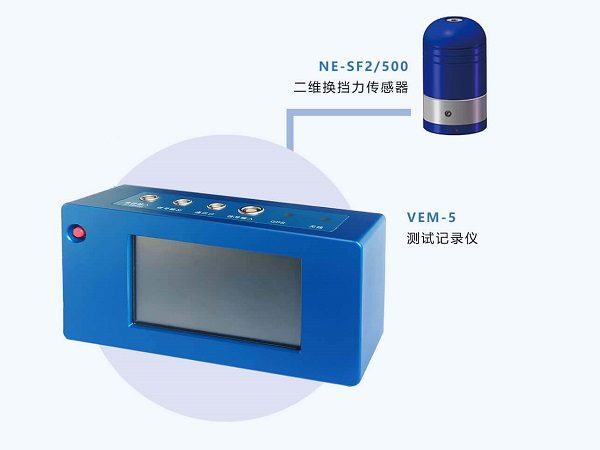
What affects gearshift force measurements? Objective evaluation indicators
Gearshift force results depend on the mechanism’s mechanical design and transmission resistance, as well as the driver’s applied force. Objective evaluation must account for differences between drivers.
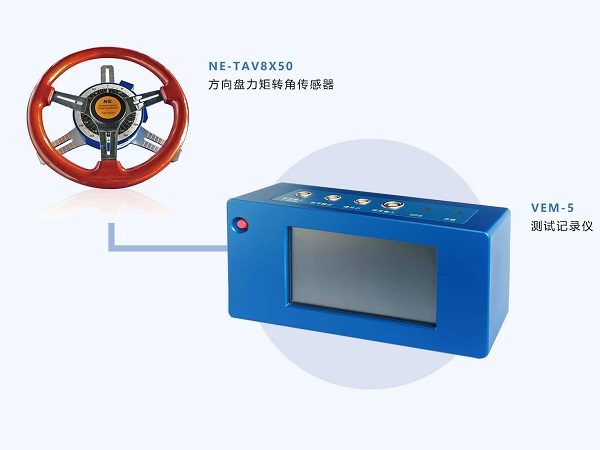
Steering wheel torque and angle instruments: principle and operation
Mounted on the steering wheel, the instrument converts steering torque into an electrical signal using a torque sensor, while an angular displacement sensor measures steering angle.
Installing a steering wheel torque and angle instrument
Loosen the connecting fork and four telescopic clamp screws, fasten the clamps to the steering wheel, then adjust them until the instrument and steering wheel centres coincide.
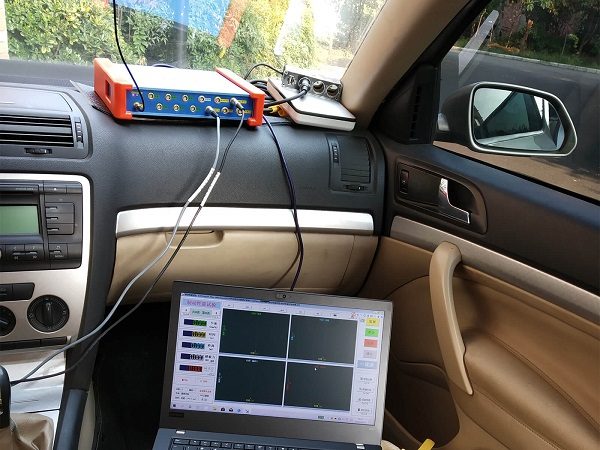
Vehicle braking tests: conditions, instrument accuracy and procedure
Braking test conditions cover the road, environment and vehicle. Use a dry, level, clean surface, wind speed below 5 m/s and temperature no higher than 35°C, with the braking system adjusted beforehand.
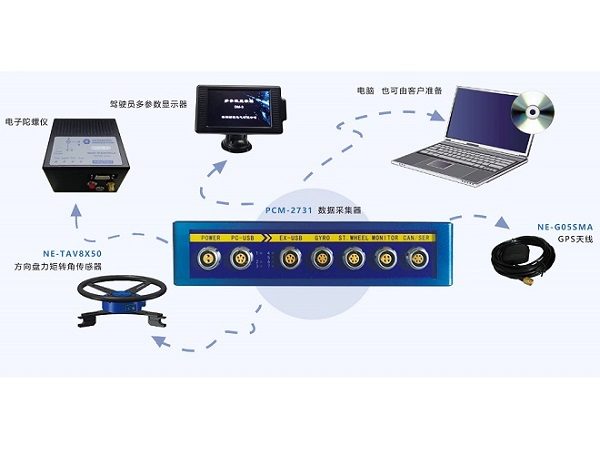
Handling stability testing systems: components and measurement principle
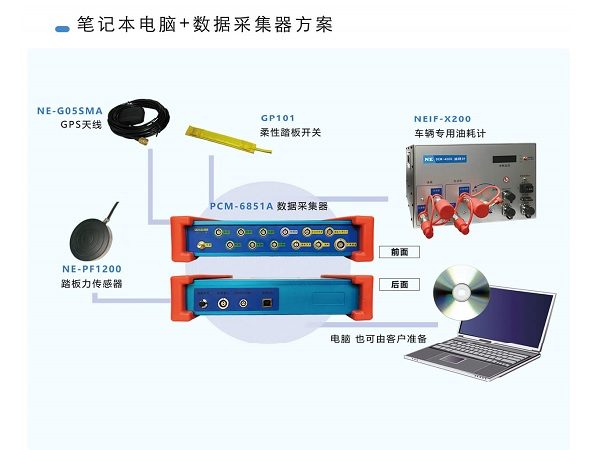
A handling stability system combines gyroscopes, a steering wheel adapter, GPS speed measurement and a data acquisition unit that receives signals from multiple vehicle sensors in real time.
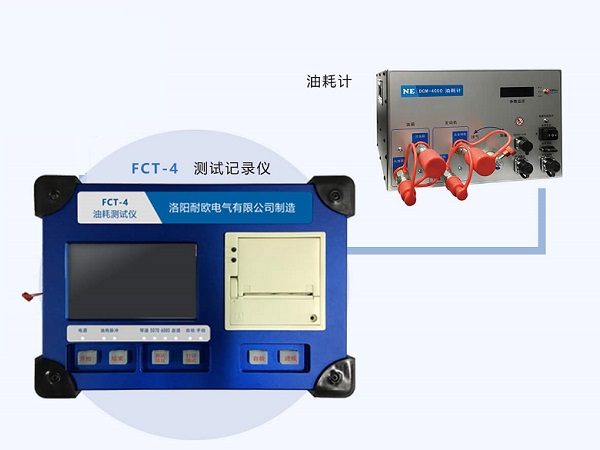
Fuel consumption measurement accuracy: influencing factors and control measures
Manufacturing and calibration errors affect fuel-consumption measurement accuracy. Better machining and assembly, together with appropriate error allocation and tolerances, help control unavoidable manufacturing errors.
Vehicle fuel consumption testing systems: components and functions
A fuel consumption system comprises a fuel meter, test recorder, display, printer and control panel. Functions include data communication, dynamic fuel-parameter display, analysis, storage and printing.
Portable braking performance instruments: requirements and calibration conditions
The specified acceleration range is −19.62 to 19.62 m/s². Indication repeatability error and the effects of environmental changes must each remain within half the absolute basic error limit.
Calibrating portable braking-performance instruments: methods and precautions
Calibration covers appearance, static and dynamic measurements, and data retention. Calibration fixtures and reference instruments are used to assess portable braking instrument performance.