
The driver applies force to move the gear lever while operating the pedals. The lever also provides force feedback. Too little effort can make its state difficult to feel and lead to incorrect operation; too much effort makes shifting difficult and tiring. Both affect driving comfort and safety.
Factors affecting measurements
Common indicators are peak feedback force and operating stiffness.
Measured feedback depends on the mechanical design and transmission resistance of the shift mechanism, as well as the driver's force input. Greater input produces greater feedback. Drivers' habitual inputs also reflect their preferred feedback, contributing to differences in perceived comfort. Tests should eliminate driver differences or evaluate a defined driver group. Relative feedback parameters make different drivers' results more comparable.
Relative peak feedback force
Peak feedback force is the maximum measured within a specified time or displacement interval during operation. It represents feedback intensity. Because acceptable and preferred peaks differ among drivers and directions, relative peak feedback is defined as the ratio of the peak measured during normal operation to the acceptable peak in the same direction.
Relative operating stiffness
Operating stiffness is the change in feedback force divided by the change in lever displacement. It describes how feedback develops during a shift. Differences in lever travel and measured peak force influence stiffness. To reduce these effects, relative operating stiffness is the ratio of measured stiffness to average stiffness, where average stiffness is measured peak force divided by total travel.
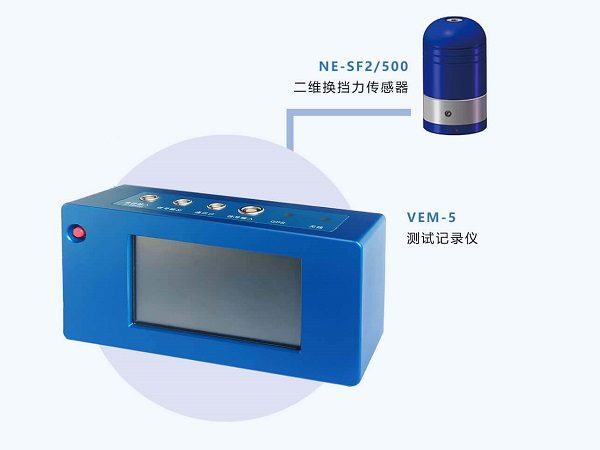
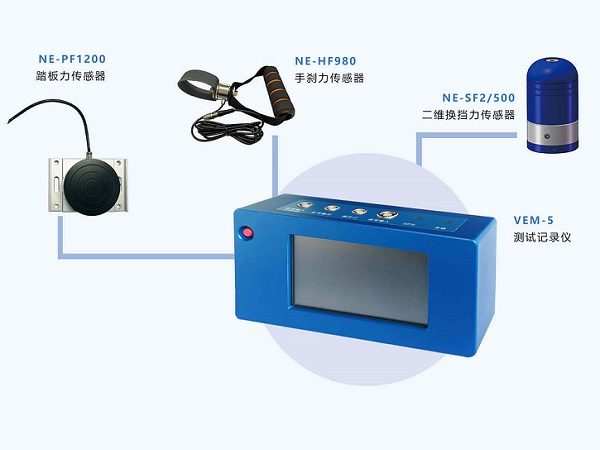
Gearshift measurements contribute to an objective assessment of driving comfort. Luoyang Naiou Electric supplies shift-force systems with optional pedal force and parking-brake force sensors for combined evaluations. Please leave an enquiry or contact customer service for details.