
Fuel economy is an important performance indicator for manufacturers, inspection centres and vehicle buyers. Accurate measurements are needed, but manufacturing and calibration errors can affect the result.
Sources of measurement error
Manufacturing error
Imperfections in machining and assembly introduce errors in component dimensions, shapes, relative positions and other parameters. These errors in the fuel meter and other system components affect overall accuracy.
Calibration error
Fuel consumption instruments require rigorous calibration. Volumetric instruments can use static volume, static mass or comparison methods. Fluid density, pressure and measurement duration influence the calibration volume and therefore the accuracy of the complete system.
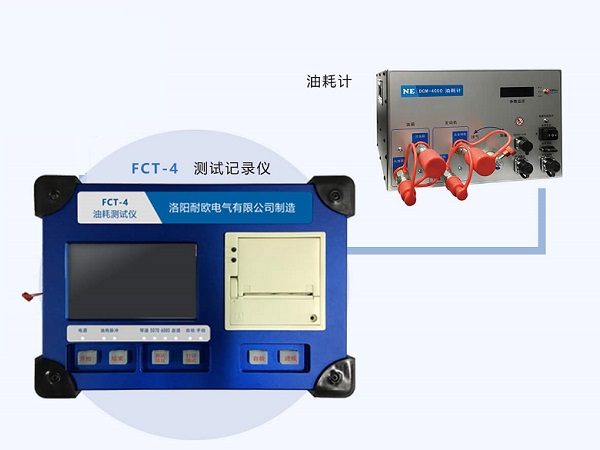
Controlling manufacturing error
- Allocate the total error budget correctly among measurement and control stages, and specify suitable manufacturing tolerances.
- Apply instrument design principles, including error averaging, compensation, the Abbe principle and minimum deformation.
- Select structural parameters that reduce error while maintaining the required functions and performance.
- Use structures that are easy to machine and assemble. Design datums should account for manufacturing feasibility and assembly reliability.
- Provide suitable adjustment and compensation mechanisms.
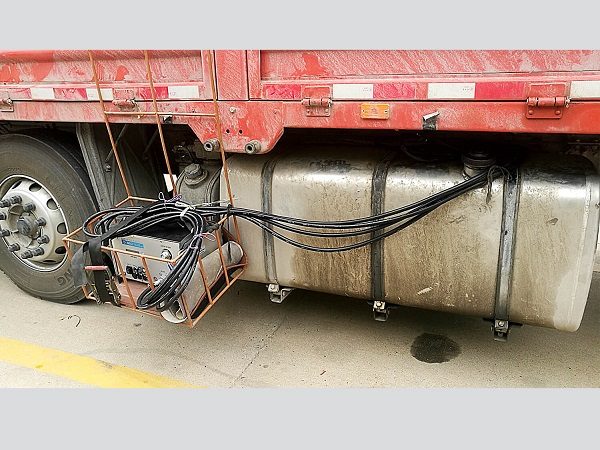
Calibration methods and procedure
- Calibrate at 20 ±5°C, 45–75% relative humidity and atmospheric pressure of 86–106 kPa.
- When considering pressure drop, fuel density or viscosity and measurement duration, the source recommends an actual calibration volume between the container's upper and lower graduations greater than the theoretical volume.
- Install the instrument without mechanical stress and ensure all connections are free from fuel leaks.
- Account for differences between the calibration arrangement and actual installation. Tank height and pipe length affect pressure drop; a pressure stabiliser can reduce pressure losses.
- Use clean calibration fluid whose density and viscosity are close to those of the actual fuel. If a fluid with substantially different viscosity is necessary, calculate a viscosity correction.
- Use a calibration duration greater than 20 s and accurate timing to reduce differences from operating conditions and maintain volume accuracy.
- Take repeated samples, weigh them and average the masses to reduce random errors.
Luoyang Naiou Electric develops vehicle performance instruments, fuel consumption systems and associated peripheral sensors. Please leave an enquiry or contact customer service for details.