
News
Company news, product updates and vehicle testing industry insights from Naiou Electric.
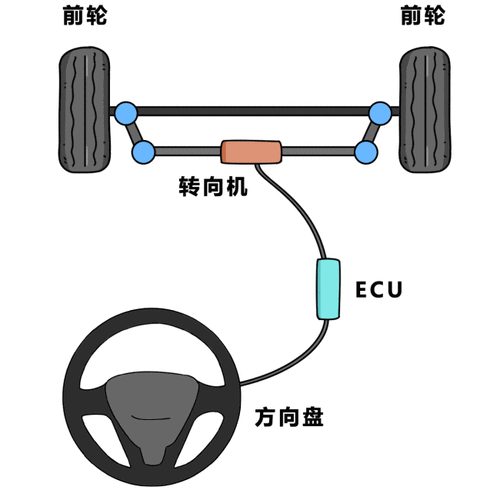
Draft national standard for passenger-car steer-by-wire released for consultation
China’s Ministry of Industry and Information Technology has issued a draft mandatory national standard for steer-by-wire systems, marking a new stage in standardising steering technology.
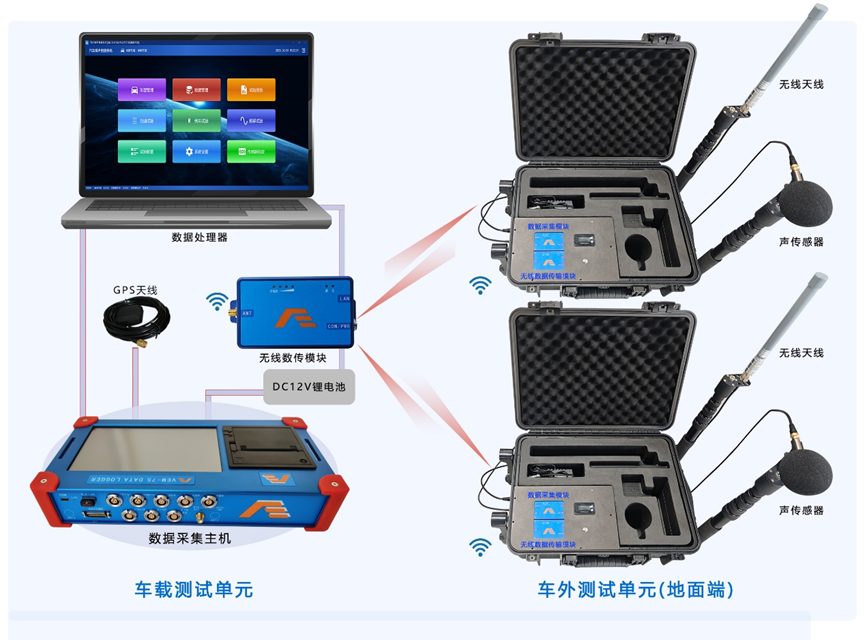
Selecting acoustic sensors for EV low-speed alert testing: five considerations
Acoustic vehicle alerting systems (AVAS) support pedestrian safety. UNECE R138, China’s GB/T 37153-2018 and US NHTSA requirements specify alert sound levels and frequency characteristics.
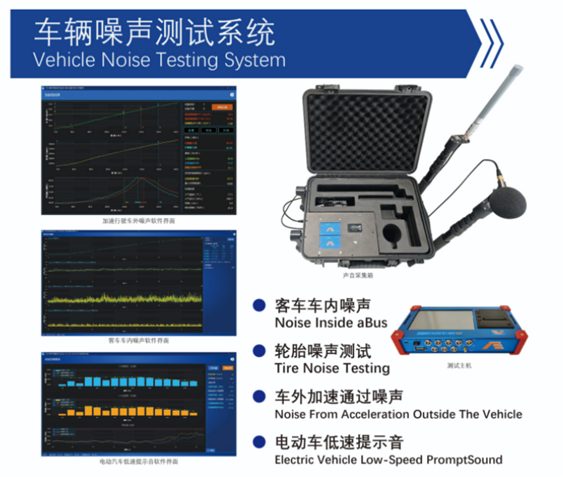
Vehicle noise testing advances in accuracy and scenario coverage
From combustion-engine noise to electric-vehicle pedestrian alerts, vehicle noise affects performance, comfort and road safety. Testing is expanding towards higher accuracy and broader operating-condition coverage under UNECE regulations and Chinese standards.

New emergency braking requirements: automatic avoidance from 2028
GB 39901-2025 introduces mandatory AEB for all light vehicles from 1 January 2028, as described in this article.
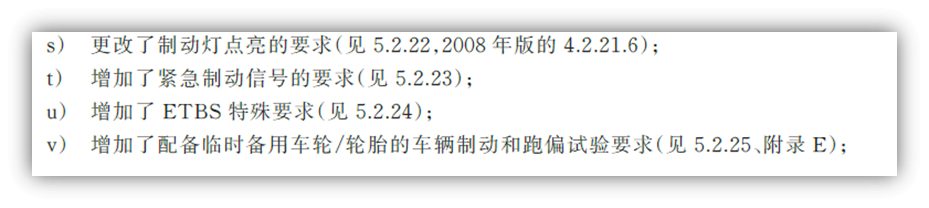
Preparing for GB 21670-2025: braking tests for manufacturers and inspection organisations
GB 21670-2025 replaces the 2008 passenger-car braking standard as braking becomes increasingly electronically controlled. Requirements for electronically transmitted braking and functional safety bring new challenges and opportunities for vehicle testing.

New national safety standard for EV traction batteries to take effect next July
New national standard for electric vehicle traction batteries
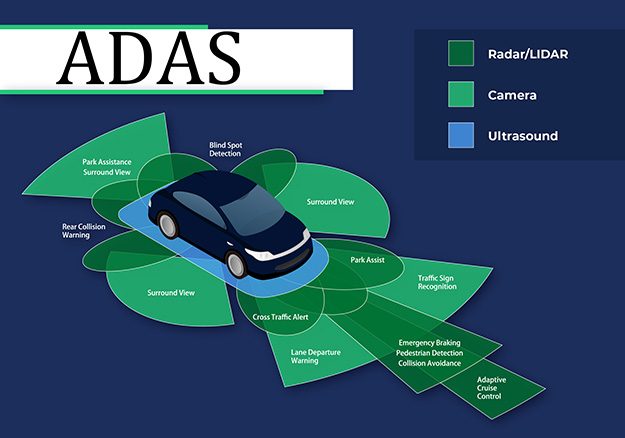
Combined driver assistance enters the mandatory-standard era
Advanced driver assistance systems (ADAS)
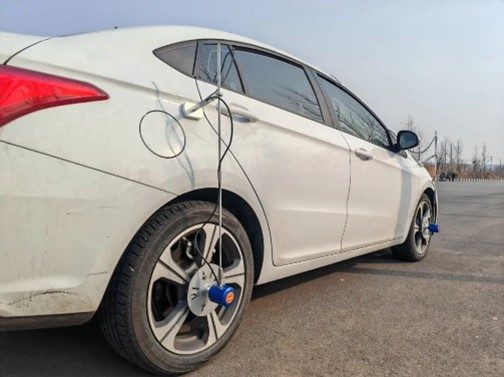
Wireless wheel speed sensors: a new approach to vehicle testing
Wireless wheel speed sensors

What are solid-state batteries? Advantages and limitations
Solid-state batteries use solid electrodes and an inorganic or polymer solid electrolyte instead of liquid electrolyte. Replacing components that occupy nearly 40% of conventional cell volume and 25% of mass can make thinner cells possible.