
News
Company news, product updates and vehicle testing industry insights from Naiou Electric.
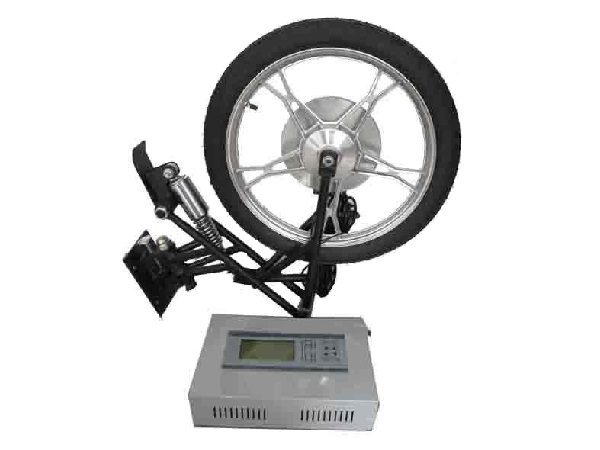
What does a fifth-wheel instrument measure? Components and operating principle
A fifth-wheel instrument measures acceleration, coastdown distance, maximum speed and gradeability during road tests. The assembly includes a measuring wheel, sensors and a secondary instrument.
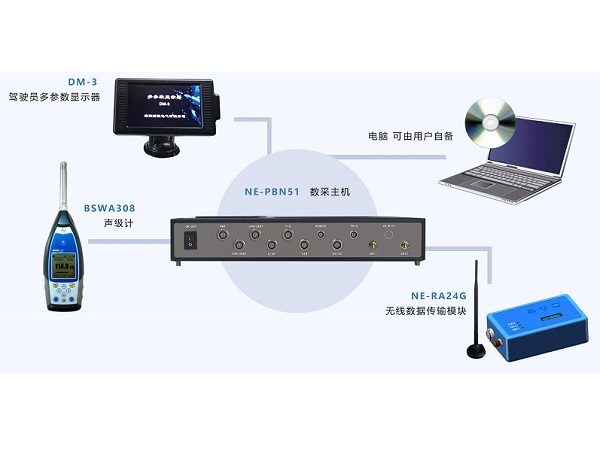
Pass-by noise system settings and test-site layout
Set time weighting to F and use A-weighted sound pressure levels over 0–20,000 Hz. Automatic reading intervals must not exceed 30 ms, and pre-/post-test calibration readings must differ by no more than 0.5 dB.

What is vehicle handling stability? Tests and key instruments
Vehicle handling stability describes the ability to follow the driver’s intended direction and resist disturbances. Testing evaluates both handling and stability.
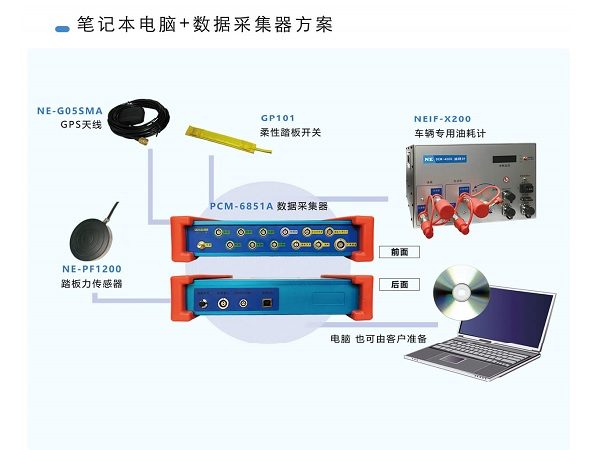
Using a fifth-wheel instrument: procedure and main measurements
Before using the instrument, install the four sensors and cables, remove the steering turntable locking pins and check that the lift is level.
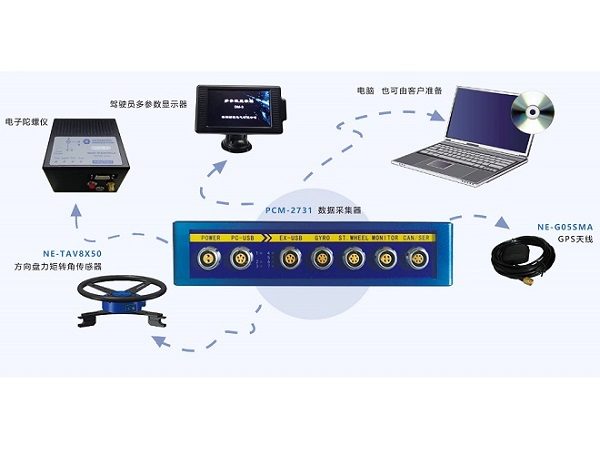
Common equipment for vehicle handling stability testing and its functions
Handling stability measurements combine angular-rate and attitude gyroscopes, steering force and angle instruments, and lateral and longitudinal acceleration sensors.
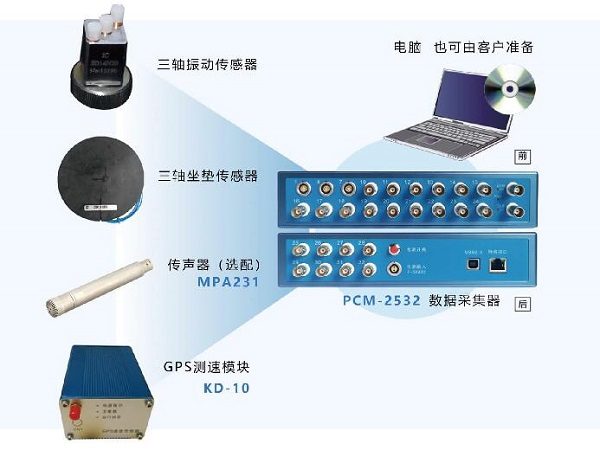
What is vehicle ride comfort, and what data does testing require?
Vehicle ride comfort describes occupant comfort and cargo protection in the vibration environment during travel. It affects driver–vehicle handling stability and plays an important role in safe driving.
Vehicle braking performance testing: methods and evaluation criteria
Braking performance is assessed by bench and road testing. Bench methods include static and dynamic tests. Disputed bench results are checked by an unladen road test, followed by a laden road test if necessary.
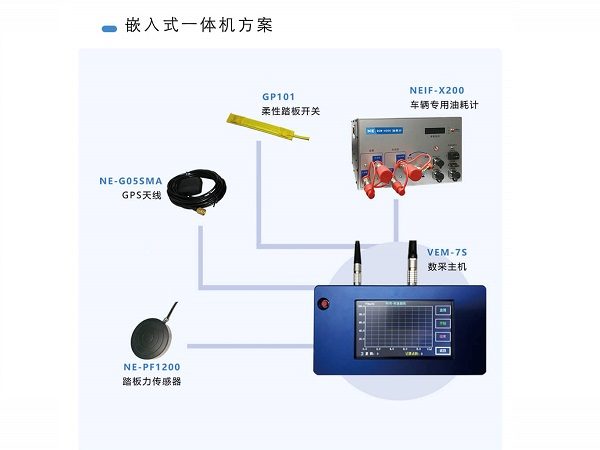
Vehicle fuel-economy testing methods and measuring equipment
Fuel economy is measured through road and bench tests. Road methods include constant-speed and laden fuel-consumption tests; bench tests use a dynamometer. Both require fuel-consumption measuring equipment.
Pass-by noise testing systems: operating principle and noise sources
A pass-by noise system uses sound level meters that represent human auditory response. A data acquisition unit records the combined noise as a vehicle passes through a test environment representing streets and residential areas.