
What is TPMS and how is it tested?
Tyre faults are a concern during high-speed driving. The original article cites an estimate that 70–80% of motorway accidents involve tyre blowouts. Tyre pressure monitoring helps drivers identify abnormal tyre conditions.
What is a tyre pressure monitoring system?
A tyre pressure monitoring system, or TPMS, is a vehicle safety assistance system. Sensors fitted to the wheel rim or inside the tyre measure pressure in real time and transmit data to the vehicle's electronic control unit for monitoring.
Types of system
Indirect TPMS identifies abnormalities from differences in wheel rotational speed. Direct TPMS uses sensors inside the tyres to monitor pressure and temperature when stationary or moving. It warns of high pressure, low pressure and high temperature to help prevent tyre-related accidents.
Benefits
- Safety: under-inflation and over-inflation affect handling and braking and increase the risk of blowouts or loss of control. Warnings allow the driver to take corrective action.
- Energy efficiency and environment: correct pressure reduces rolling resistance, improves fuel economy and reduces emissions. Monitoring helps the driver check and maintain pressure.
- Comfort: suitable pressure improves ride behaviour and reduces excessive vibration and discomfort.
Testing TPMS
Naiou's independently developed TPMS test equipment controls and monitors tyre pressure. The source specifies functions, range and accuracy to meet GB 26149-2017, Performance Requirements and Test Methods for Passenger Car Tyre Pressure Monitoring Systems; Appendix B of JT/T 1178.2-2019; and JT/T 1429-2022, Technical Requirements and Test Methods for Commercial Vehicle Tyre Pressure Monitoring Systems.
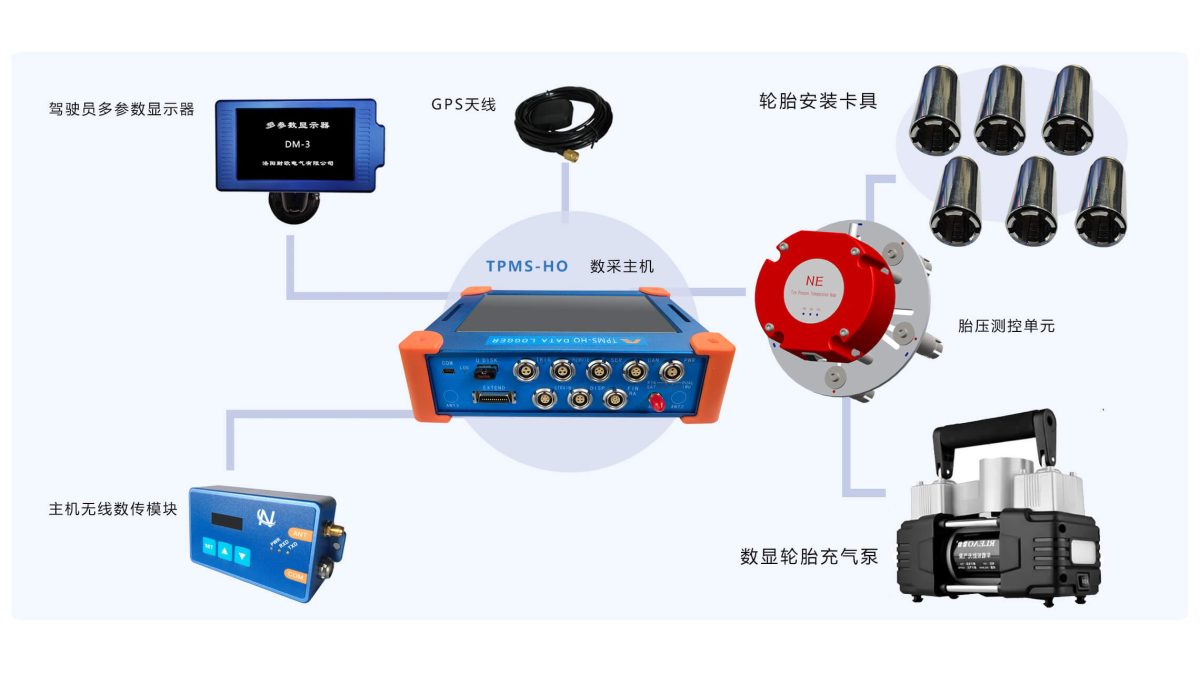
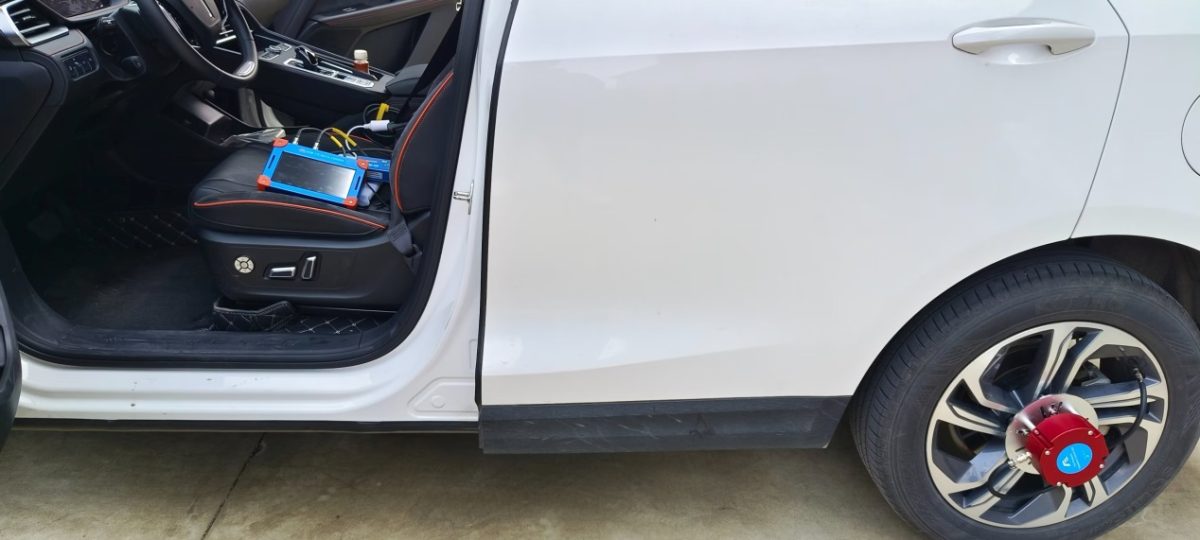
Luoyang Naiou Electric develops vehicle performance systems, including TPMS test equipment with data acquisition and analysis functions. Please leave an enquiry or contact customer service for details.