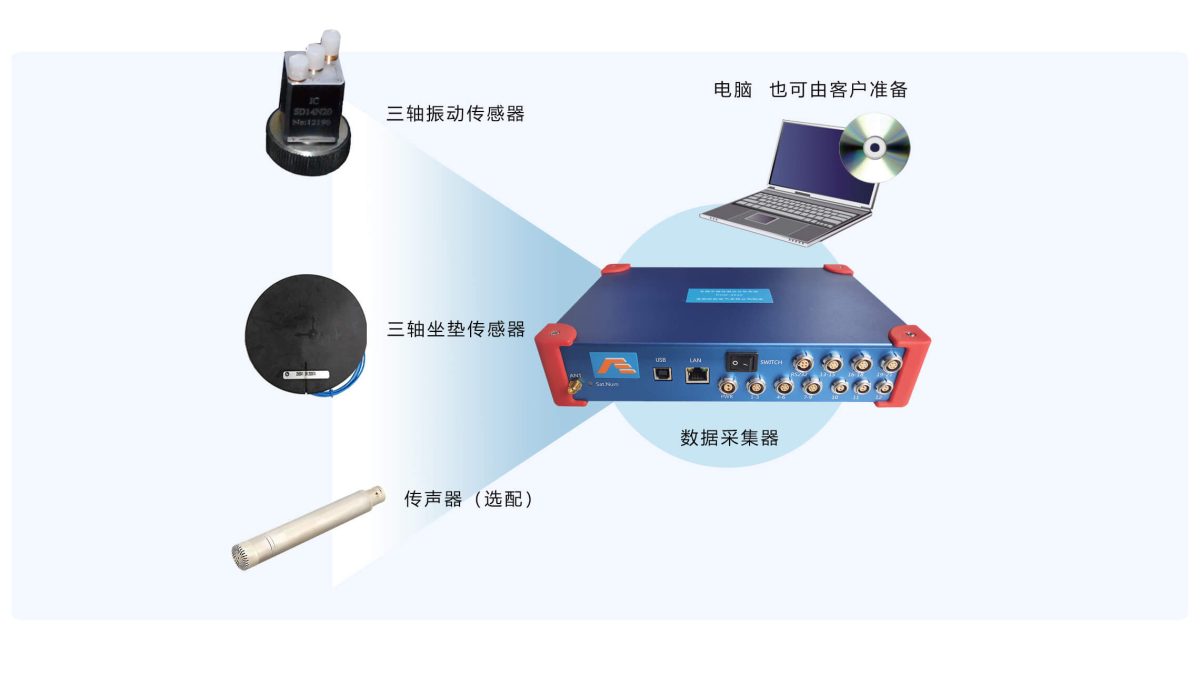
1. What is ride comfort testing?
Ride comfort describes a vehicle's ability to avoid vibration and impacts that cause discomfort, fatigue, harm to occupants or damage to cargo during normal driving. Good ride comfort reduces driver fatigue and improves the passenger experience. Testing is essential to evaluate and improve this performance.
2. What is studied?
Ride comfort research examines the input–vibration system–output relationship.
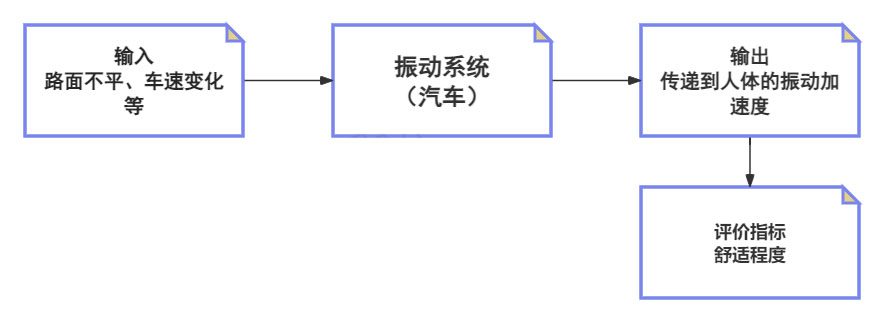
The input is mainly road unevenness encountered at a given speed. It passes through the vibration system formed by tyres, suspension, body, seats, elastic and damping elements, and sprung and unsprung masses. The resulting acceleration of the sprung mass or human body is the output.
3. Evaluation methods
Subjective evaluation
Experienced drivers and passengers drive or ride in a group of vehicles under a predetermined procedure, assess comfort and complete evaluation forms. Their assessments are combined to determine ride comfort.
Objective evaluation
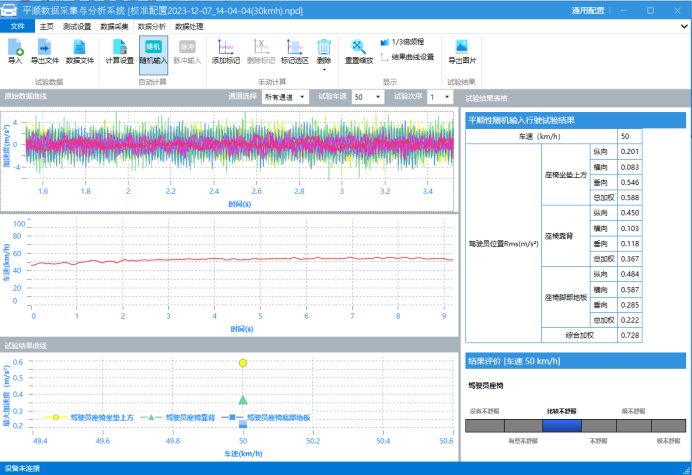
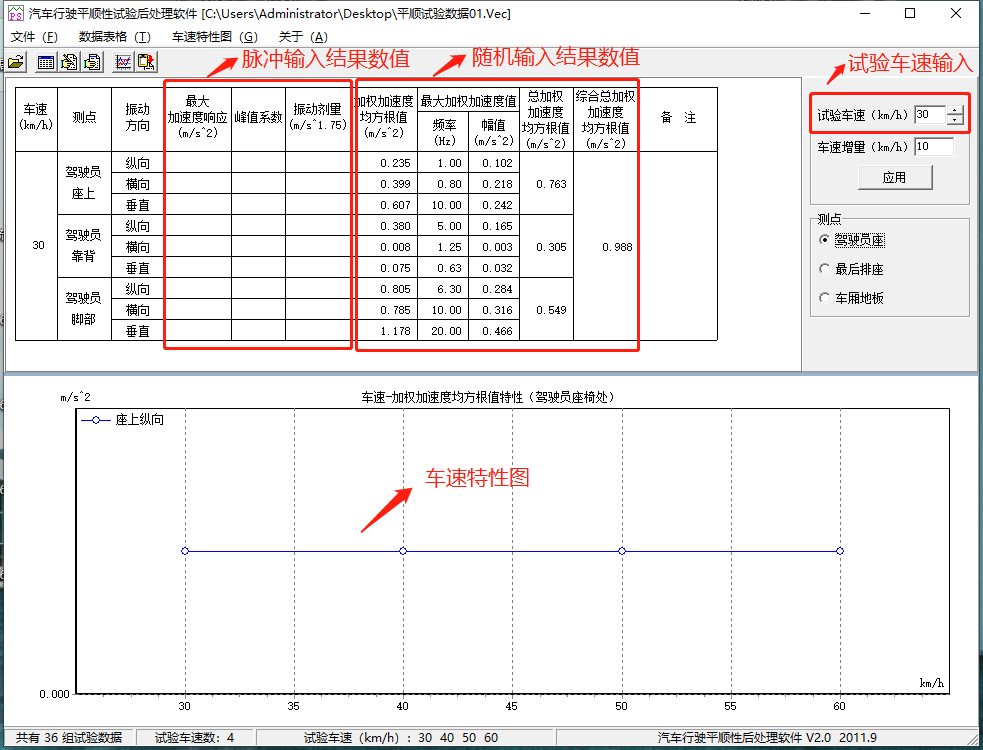
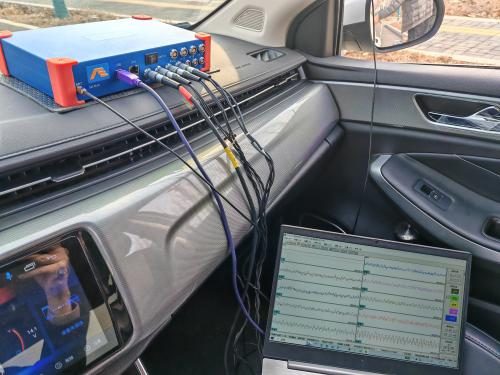
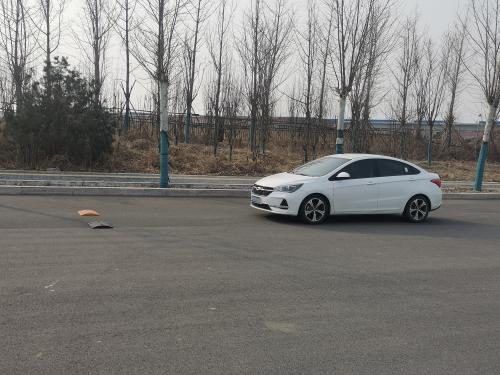
Instruments acquire, record and process random vibration data. Analysis values are compared with specified evaluation limits. The source refers to GB/T 4970-2009 and describes pulse-input and random-input road tests. Triaxial accelerometers are installed at prescribed positions to represent human perception. The vehicle travels at specified constant speeds on the test road while acceleration is recorded.
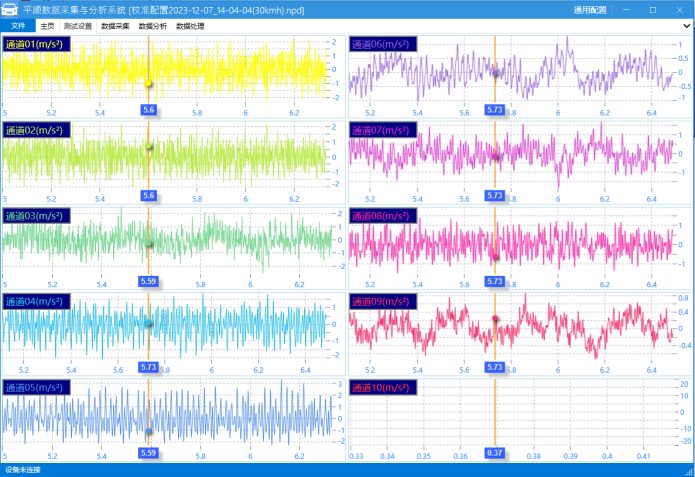
Naiou's PC-based ride comfort test and analysis system supports random-input and pulse-input tests and the data processing procedures cited in the source. It also supports suspension natural-frequency and damping-ratio testing, general vibration analysis and optional noise testing.
4. System features
- Vehicle ride comfort tests and processing with reference to GB/T 4970-2009.
- Suspension natural-frequency and damping-ratio measurements and other vibration analysis.
- Powerful software with simple operation and one-click processing. The source reports completion within one minute after a typical test.
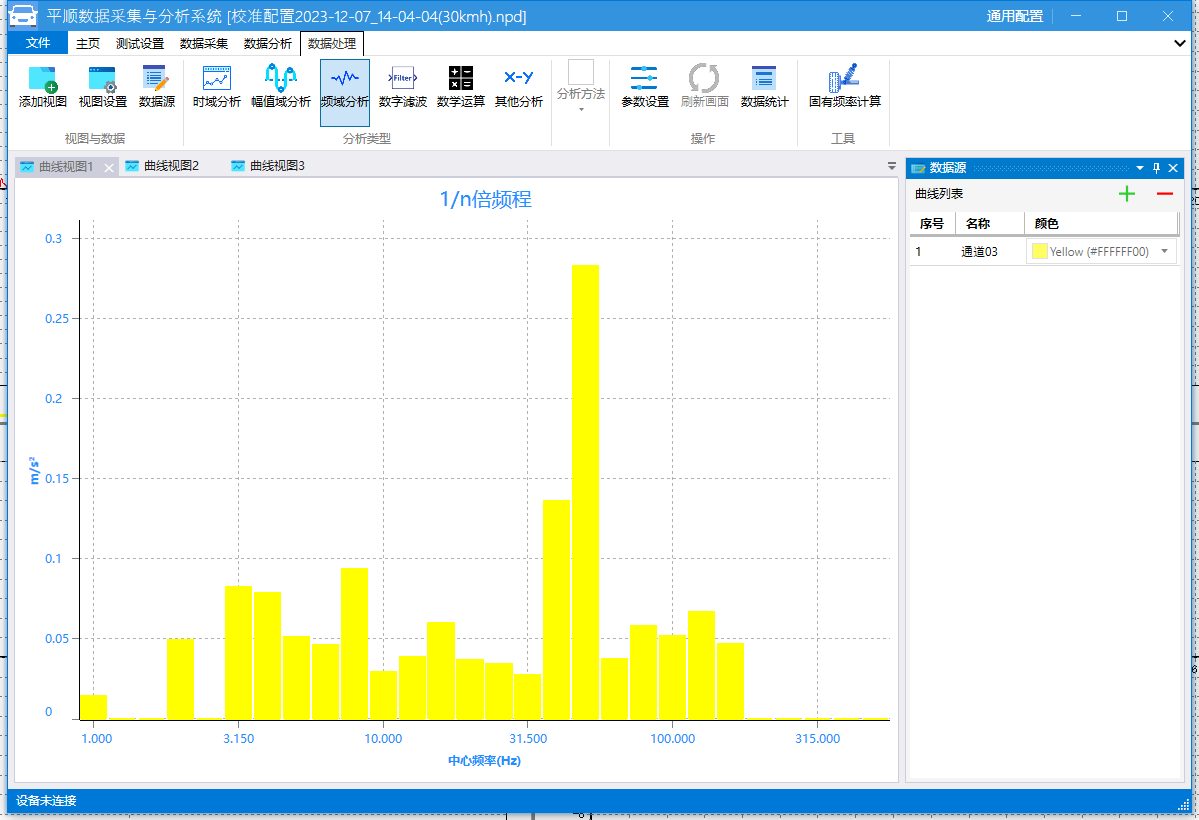
- Versatile hardware and software for research beyond ride comfort. Alongside 12 dedicated channels, general-purpose channels are provided. Functions include multichannel real-time oscilloscopes, recording, linked cursor readings, auto- and cross-correlation, probability density and distribution statistics, frequency analysis and weighting, time-domain filtering, virtual signal generation and calculations. These include addition, subtraction, multiplication and division between channels, and integration, differentiation, detrending and zero-mean processing of one channel.
- Built-in 12-channel hardware anti-aliasing filters for metrology requirements.
5. Acquisition and analysis software screens