
Braking reliability and stability are essential to vehicle safety. Principal evaluation measures include deceleration, braking time and stopping distance. The two main inspection approaches are road testing and brake-bench testing.
1. Comparing the approaches
Road tests reflect braking behaviour, but can cause severe tyre wear, are affected by external factors and involve safety risks. As diagnostic technology develops, equipped inspection organisations and manufacturers increasingly use instrumented bench tests.
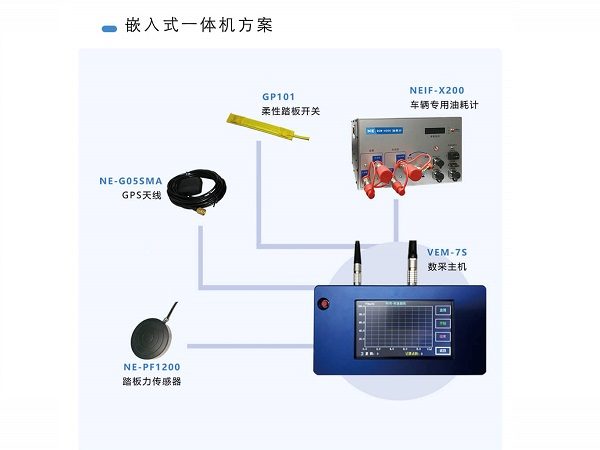
Bench equipment includes an axle-weighing platform and brake rollers. It measures individual braking forces, front/rear force distribution and left/right balance.
2. Test procedures
Road testing
At specified speeds and under the prescribed operating conditions, intermittent, gradual and emergency braking can be used. Inspectors observe deviation and the presence, length and direction of skid marks. Other methods include a fifth-wheel instrument with a dedicated braking system; a pedal-operated spray device that marks the road so the marked distance can be measured; or braking at a roadside marker from a specified speed and measuring the stopping distance.
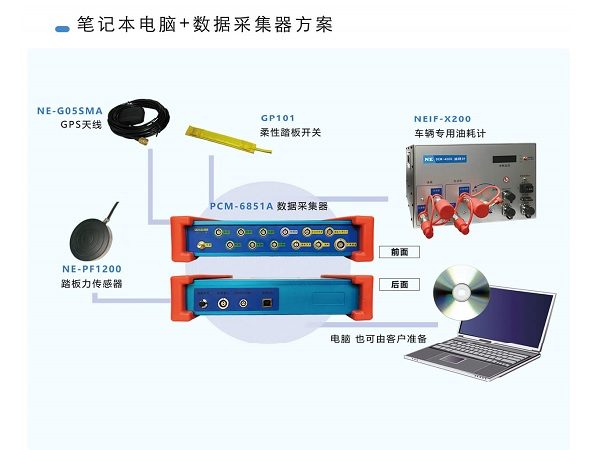
Bench testing
- Drive onto the axle-weighing platform as instructed, weighing the front axle and then the rear axle.
- Place the front wheels on the brake bench. The rollers start after detecting the wheels. Apply the brake at the instructed countdown, read the result and repeat if the result is unacceptable.
- Repeat for the rear wheels using the same prompts.
The bench displays braking-force sum and difference percentages. The historical source states a front-brake sum below 60% and difference above 20% as acceptable, and says the combined front/rear sums must not exceed 120%. These figures are reproduced from the original article. After the axle tests, follow the display prompts to test the parking brake; the procedure ends when it passes.
Luoyang Naiou Electric develops and manufactures vehicle performance equipment, including braking test systems. Please leave an enquiry or contact customer service for a suitable solution.