
Fuel consumption is a key measure of vehicle economy. The official consumption figure provided before a vehicle leaves the factory is also described as driving-cycle consumption. It is obtained using a vehicle fuel-consumption testing system.
1. System features
- Measurement accuracy stated in the source: 0.5%.
- Stable industrial construction resistant to heat, corrosion and oxidation for long-term operation.
- Measures actual engine fuel use to prevent fuel-accounting manipulation.
- Universal fuel-line connectors allow simple installation without damaging the tank or lines.
- Supports multiple analogue/pulse inputs and customised configurations.
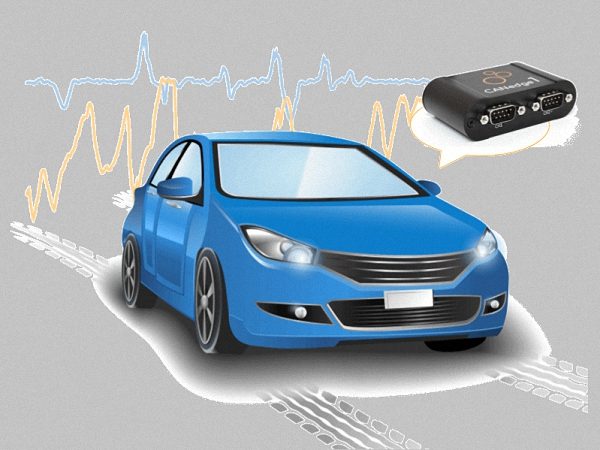
- Supports the ModBus standard protocol and different communication interfaces for connection to a vehicle recorder.
- Can acquire engine-speed or wheel-speed signals and calculate distance travelled.
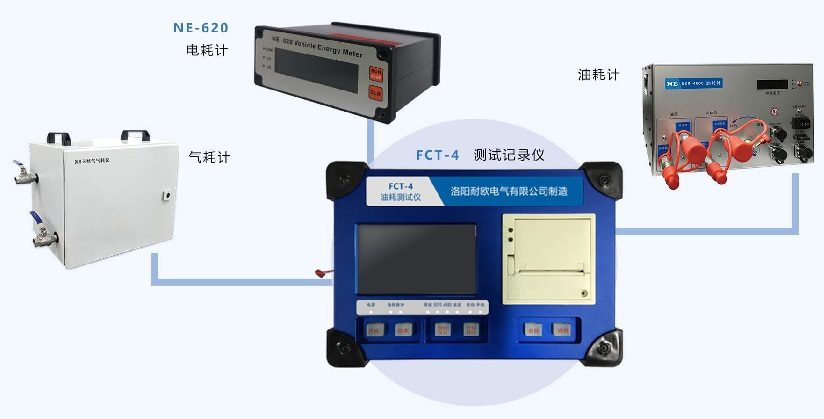
2. Operating procedure
- Connect the fuel meter, sensors and cables as specified in the system manual.
- Switch on the data acquisition unit, fuel meter and GPS.
- Use ALT+SYS and MENU to set the test date.
- Select DFLS in the remote-display main menu with the up/down keys.
- Press START to enter test mode.
- At the preset speed, for example 30, 40, 50, 60 or 70 km/h, press the green remote switch. Sampling starts automatically and stops after the configured measurement section, displaying the data.
- Press ENTER to store the results.
- Press ESC after the test to return to the main menu.
- Switch off the acquisition unit, remove the CF card, read the data and print the results.
3. Precautions
- The fuel-meter identification number must match the acquisition-unit number; do not mix units.
- The meter uses a 24 V supply. Complete installation and power it before starting the engine.
- During normal operation, no fuel should escape in the tank return-line direction. Run for approximately five minutes after installation and power-up; no leakage there indicates normal operation.
- Keep the inlet and outlet rubber plugs fitted until installation to prevent contamination.
- Install vertically wherever possible and never upside down.
- Fit the filtered banjo connector at port 1, the tank outlet, and unfiltered connectors at the other ports. Keep solid particles and other contamination out of the meter and connectors.
- Keep the installation area clean, remove residual debris from the pipework and fit the meter downstream of the fuel filter.
- After installation, start the engine to purge air from the fuel lines before operating the vehicle.
Luoyang Naiou Electric designs and manufactures vehicle driving-cycle fuel-consumption systems. Electrical-energy and gas-consumption instruments are also available for different powertrains. Please leave an enquiry or contact customer service for details.